Let the goblins and ghouls be the scariest things on halloween- not the gluten…
Check out the handy reference guide, published by Celiac Disease Foundation, to help sort your stash of treats.
 Gluten-Free Candy List
Let the goblins and ghouls be the scariest things on halloween- not the gluten…
Check out the handy reference guide, published by Celiac Disease Foundation, to help sort your stash of treats.
Gluten-Free Candy List
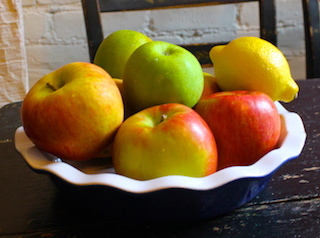
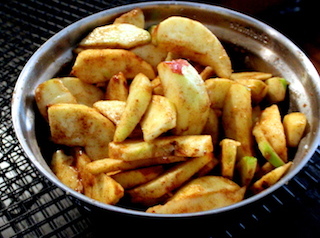
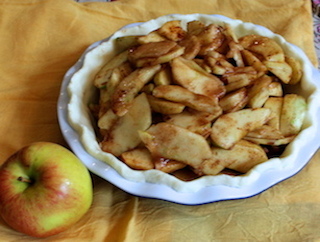
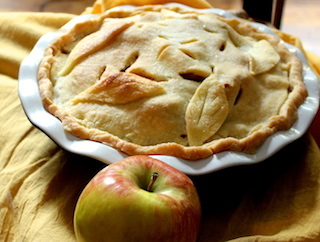
When the air turns crisp there is nothing better than warm Apple Pie! With a melt in your mouth buttery, flaky crust, tender apples and scent of fragrant cinnamon, this gluten-free version can’t be beat.
Jackie’s Carrot and Sarah’s Red Velvet…mmm
When: This Saturday, September 21st from 2-4 pm
Where:
G-Free NYC 77 West 85th Street (between Columbus and CPW) New York, NY 10024Why: Because these cakes are exceptionally delicious…and who does’t love to taste cake!
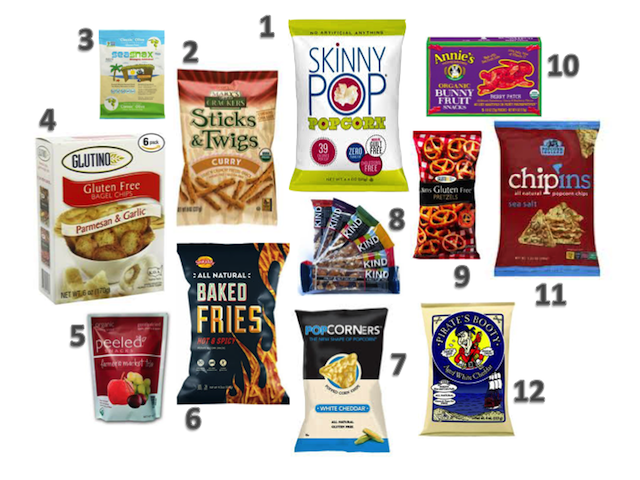
Favorite Back to School Gluten-Free Snacks
2. Mary’s Gone Crackers Sticks & Twigs
3. Sea Snax
4. Glutino Bagel Chips- Parmesan & Garlic
6. Snikiddy Baked Fries- Hot & Spicy
8. Kind Bars
10. Annie’s Bunny Organic Fruit Snacks
11. Chip’ins
12. Pirates Booty
next….homemade gluten-free after school snacks

New official rule provides a standard definition!
Click on the link above to see what the FDA has to say.
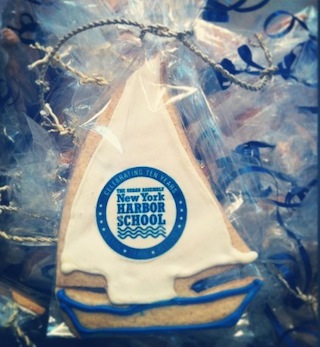
Mason Made was honored to make the Thank You treats for the 10 Year Celebration Gala.
The Urban Assembly New York Harbor School opened its doors in September 2003 in Bushwick, Brooklyn. The school has since fulfilled a major goal and moved to its current location on Governors Island. This location is much more appropriate, as Maritime studies is the main focus of the school. This is a truly inspired place, led by visionaries, and attended by talented and motivated students.
Mason Made feels lucky to be involved and had a great time making and decorating 300 sailboat cookies for the event.
Hooray for the continued success of this school!


